Overlooking the sea in the colorful village of Portovenere, Palmaria Restaurant celebrates Italian culinary tradition with a lighter, more contemporary touch. The restaurant combines local flavors, elegant dining, and one of the most beautiful views in the Gulf of Poets.
Leading the kitchen is Chef Giovanni Sica Susini, originally from Florence, whose career spans historic Italian hotels, fine dining restaurants, and international hospitality projects. His philosophy is rooted in simplicity, balance, and respect for ingredients — allowing technique to enhance flavor without overwhelming it.
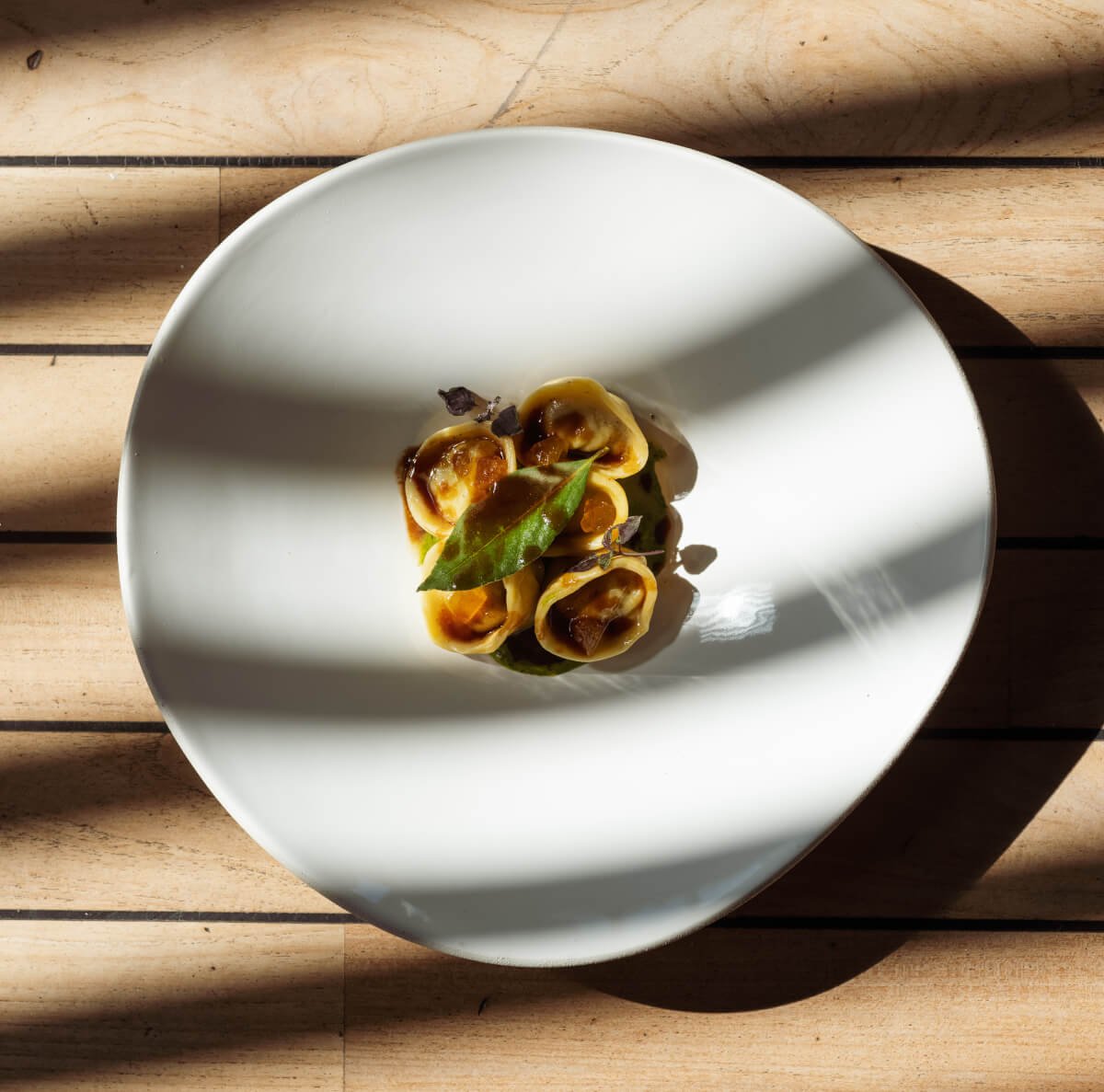
One dish that perfectly reflects this vision is his Ravioli di Bollito Misto with silky green sauce, jus de viande, and Mostarda di Cremona. A recipe inspired by one of Italy’s most traditional comfort dishes, reimagined with a refined and modern presentation.
Bollito Becomes Ravioli: Tradition, Texture & Modernity
In Italy, bollito misto — a traditional selection of slow-boiled meats — is more than a Sunday lunch ritual. It is a dish tied to family memories and regional culinary heritage.
With my handmade ravioli filled with mixed boiled meats, those classic flavors are transformed into a gourmet pasta dish. The result is a dish built on contrasts: the texture of the filling, the softness of the sauce, and the sweet-spicy sharpness of the mustard fruit preserve.
Here is the recipe by Giovanni Sica Susini of Palmaria Restaurant.
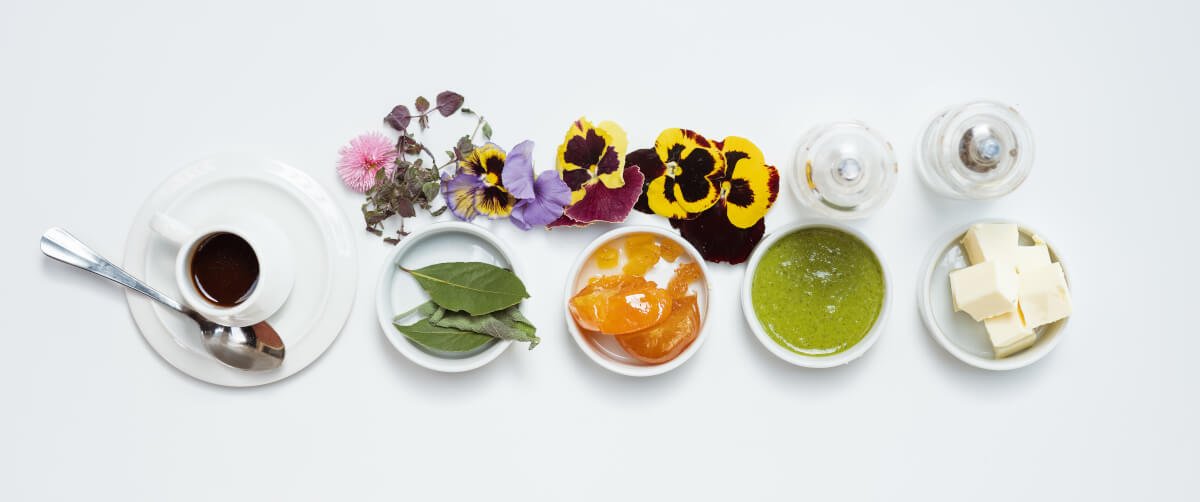
1. Fresh Pasta: Egg Dough Sheets
For ravioli that hold their shape while remaining delicate on the palate, precision matters.
Ingredients
• 1 kg (approx. 2.2 lbs) Italian “00” flour
• 10 medium eggs
• Salt, to taste
• A drizzle of extra virgin olive oil
Method
The olive oil is the secret to an elastic dough that can be rolled extremely thin without breaking.
After kneading, let the dough rest for at least 30 minutes under a cloth or wrapped in plastic wrap. This step allows the gluten to relax and prevents the pasta from shrinking back while rolling.
2. The Filling: A Matter of Texture
Forget smooth, overly blended fillings. Here, the goal is to preserve the character and texture of each cut of meat.
Composition
• 1/3 calf’s head
• 1/3 beef tongue
• 1/3 beef brisket
Technique
After simmering the meats with traditional aromatic vegetables and herbs, two-thirds are finely chopped by hand to maintain texture.
The remaining third is passed through a meat grinder, creating a natural binder that gives structure to the filling.
Final Touch
The mixture is combined with eggs, a measured amount of Parmigiano Reggiano, a hint of nutmeg, and finely chopped Mostarda di Cremona.
For international readers unfamiliar with it, Mostarda di Cremona is a traditional Northern Italian condiment made with candied fruit preserved in a mustard-flavored syrup. Its sweet and spicy notes beautifully balance the richness of the calf’s head, echoing the classic accompaniments traditionally served with bollito misto.
3. Silky Green Sauce
For this dish, the chef wanted a modern aesthetic: a smooth, bright sauce that complements the pasta without overpowering it.
Ingredients
• Fresh parsley leaves (must be dry)
• Anchovies
• Capers
• One garlic clove
• A few drops of white wine vinegar
• Extra virgin olive oil
No bread is added, resulting in a lighter and more fluid texture than traditional “salsa verde” recipes.
Method
Blend the ingredients at high speed for only a few seconds.
Speed is essential: the blades should not heat the parsley, preserving both its bright emerald color and fresh herbal flavor.
4. Jus de Viande & Plating
The finishing touch is the jus de viande: a glossy, concentrated brown stock reduction that captures the full depth of the meat flavors.
Final Steps
• Cook the ravioli in generously salted boiling water
• Gently toss them in a pan with herb butter
Plating
Arrange the ravioli on the plate, drizzle the silky green sauce, and finish with a tablespoon of reduced jus de viande.
Add a few small pieces of chopped fruit mostarda for sudden bursts of sweetness and spice.
A dish that respects tradition while dressing it in the elegance of contemporary cuisine.
Recommended Wine Pairings
The Palmaria Restaurant & Venus Bar sommelier, Sabrina De Carlo, suggests two different yet complementary wine pairings for the dish.
1. Vermentino Ponte di Toi – Stefano Legnani
A natural, skin-contact Vermentino with an assertive personality. Complex on both the nose and palate, this niche wine pairs beautifully with the structure of the filling and the intensity of the jus. Produced near Sarzana in Liguria’s province of La Spezia.
2. Vermentino Papeo – Terre del Marchesato
Produced in the Bolgheri area of Tuscany, this Vermentino offers aromatic notes of orange, pineapple, and peach. Though not macerated, it has a rich and buttery texture reminiscent of certain French Chardonnays.
About Chef Giovanni Sica Susini

Born in Florence, Giovanni Sica Susini began his culinary career in 1983, working across some of Italy’s most renowned hospitality destinations, from Versilia to Florence, Montecatini Terme, and Montalcino.
Over the years, he built significant international experience as an Executive and Brand Chef in Russia, while also collaborating on hospitality consultancy projects in Jordan, France, and Italy.
Today, he serves as Consulting Chef for the Grand Hotel Portovenere, bringing with him a culinary philosophy he describes as “conscious simplicity”: strong technique, recognizable flavors, and no unnecessary embellishments.
Experiencing Portovenere Through Food
Inside the Grand Hotel Portovenere, the Palmaria Restaurant welcomes guests into one of the most scenic settings in the Gulf of Poets. Portovenere is a UNESCO-listed corner of Liguria known for its dramatic coastline, colorful harbors, and maritime traditions.
Here, cuisine meets landscape through seasonal ingredients, sea views, and a relaxed yet refined atmosphere that makes every lunch and dinner feel special. The restaurant’s menu celebrates Italian tradition through a contemporary lens, paired with a carefully curated wine selection designed to enhance every flavor. It also offers gluten-free and vegetarian options.
A place to slow down, savor the moment, and discover Portovenere through its cuisine. For more, visit palmariarestaurant.com.
Discover more from Discover Portovenere Blog
Subscribe to get the latest posts sent to your email.

