About 50 minutes from Portovenere, Ca’ Lunae offers an authentic introduction to the Colli di Luni wine region.
Set in a beautifully restored 18th‑century estate on the ancient Via Aurelia, Ca’ Lunae reflects the Bosoni family’s vision, where wine, culture, history and local traditions come together.
This article was first published in 2015 and last updated in 2026.
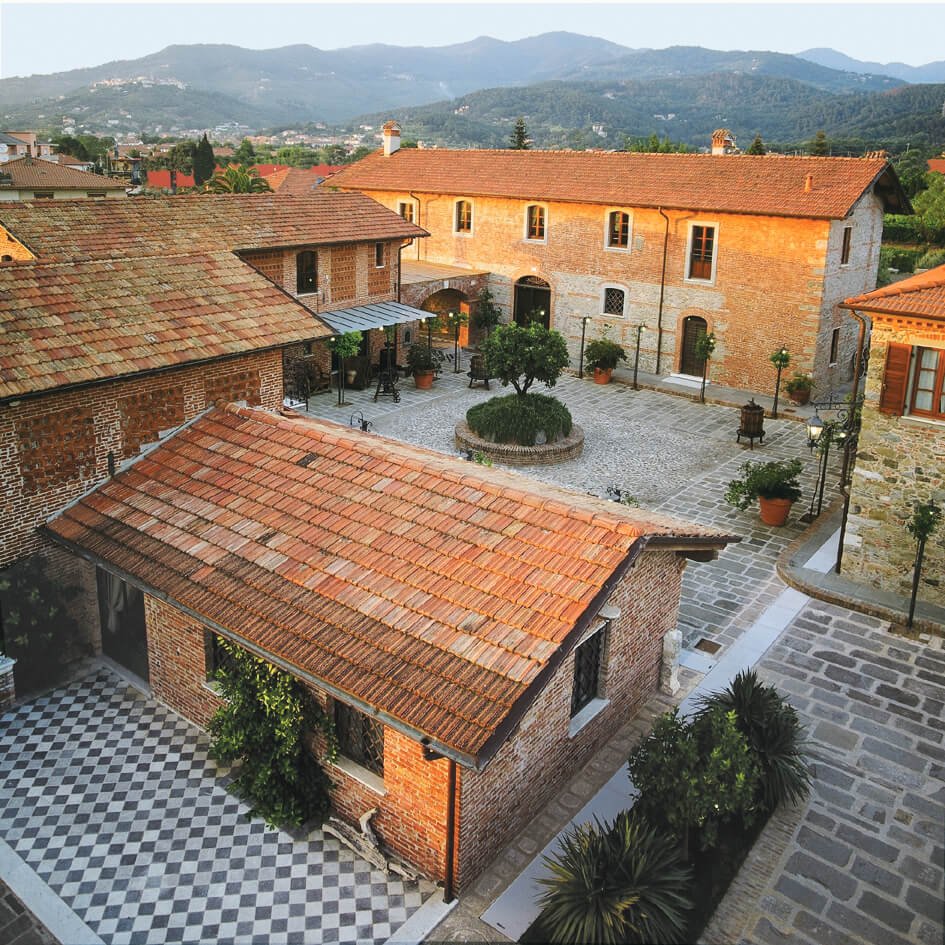
It all begins with the land
Ca’ Lunae lies at the heart of the Colli di Luni DOC, a wine-producing area whose viticultural heritage dates back to Roman times. Here, wine is both an agricultural product and a cultural expression closely tied to the landscape.
This led the Bosoni family to found Cantine Lunae Bosoni in 1966. Since then the winery has celebrated the region’s identity through wine, gastronomy, art and nature.
More than a winery
Ca’ Lunae is dedicated to discovery and hospitality. Within the carefully restored historic buildings, visitors can enjoy a variety of experiences:
- The Wine Shop, where visitors can taste Lunae wines and learn about the Colli di Luni terroir.
- The Tasting Room, offering guided tasting experiences for both newcomers and experienced wine enthusiasts.
- Essentiae Liquor House, featuring an open workshop where traditional liqueurs, preserves and specialties are made using time-honoured recipes.
- The Museum of Wine Culture, which tells rural Lunigiana’s story through agricultural tools and everyday objects collected over 30+ years.
Outside, visitors can explore the Aromatic and Traditional Vegetable gardens, which highlight the link between local agriculture and daily life.
A winery inspired by nature and art
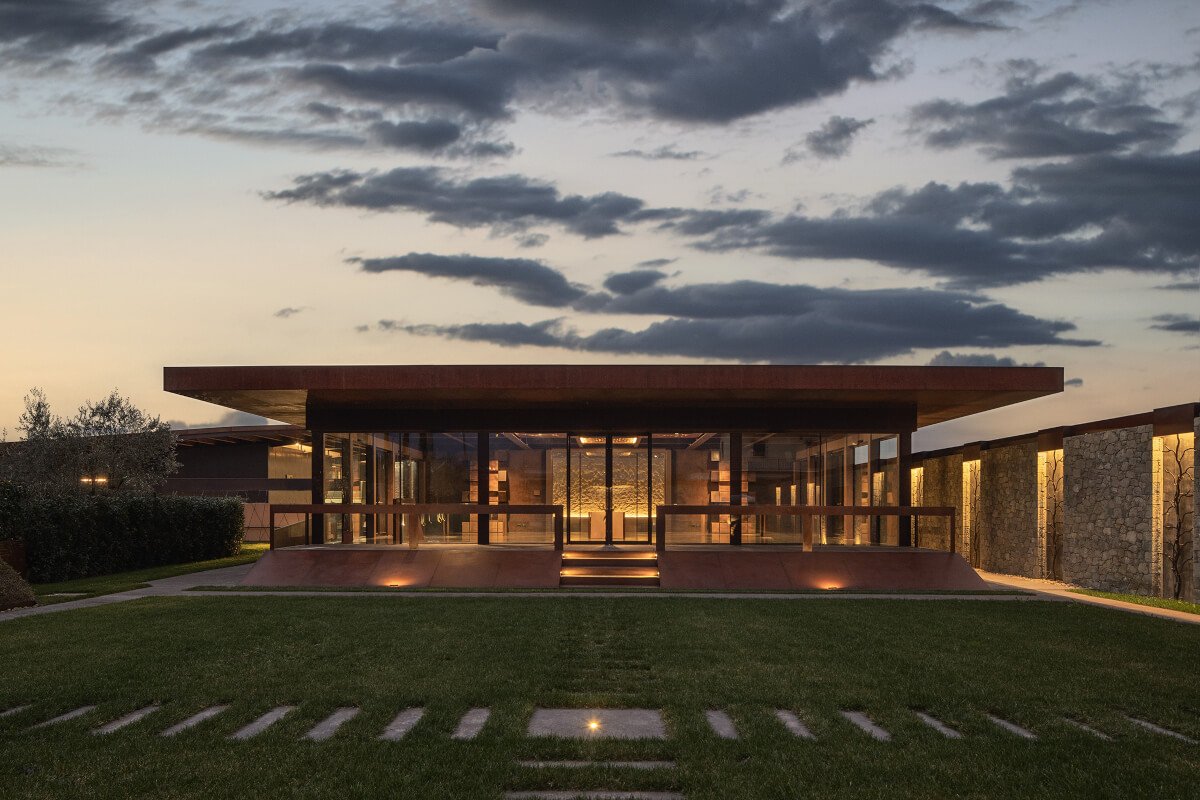
Since 2024, visitors can tour Lunae’s new winery, an architectural project reflecting the dialogue between people and nature.
Materials, colours and textures reference local soils and minerals, while interiors include art installations, tailored lighting and contemporary elements. The result is a functional yet expressive winery celebrating wine, creativity and place.
Tasting the territory
The tasting experiences at Ca’ Lunae are designed for all levels, from curious beginners to enthusiasts. The aim is the same: understanding the territory through the glass.
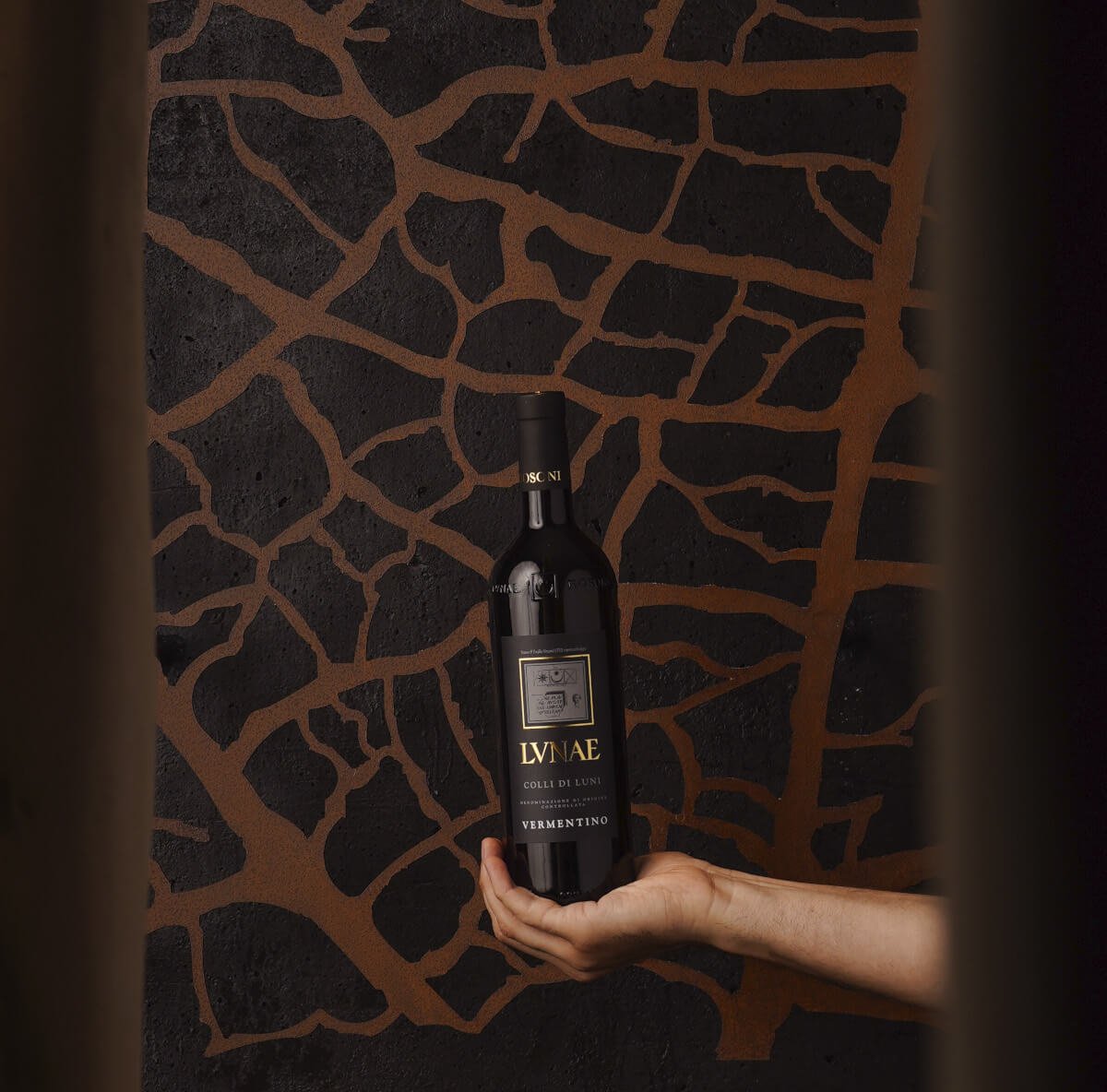
At the centre is Vermentino, the Colli di Luni’s iconic grape. Visitors can also discover indigenous varieties such as Albarola, Vermentino Nero, Pollera Nera and Massareta.
The winery follows natural rhythms: no herbicides, natural fertilisation and hand-harvesting. This lets each vineyard and wine express its identity authentically.
Tradition and the future: a conversation with Diego Bosoni
Vermentino is at the heart of your production. What makes Vermentino from the Colli di Luni so distinctive?
Vermentino has always been the grape variety at the centre of our work. Its uniqueness comes from an extraordinary combination of geography, climate and history.
We are on Liguria’s eastern edge, bordering Tuscany. The Apuan Alps shield us from cold northern winds, while the nearby sea moderates temperatures and brings steady breezes. That mountain-sea interaction gives our Vermentino notable freshness and tension.
What makes the area truly exceptional, however, is the diversity of soils. We move from sandy coastal vineyards to gentle foothill slopes and finally to hillside vineyards reaching 350 metres above sea level, characterised by clay-rich soils and abundant stone content.
Historically, my father Paolo Bosoni was one of the first winemakers in the 1960s to recognise Vermentino’s potential, and he never stopped believing in it.
The result is a collection of wines that tell the story of the territory and its history through one variety.
Labianca comes from the vineyards nearest the sea; Etichetta Grigia from the foothills; Etichetta Nera from higher elevations. Cavagino is an early single‑vineyard Vermentino; Numero Chiuso — from two historic vineyards, limited to 2,600 bottles — is our flagship. Aged 18 months in oak, it shows Vermentino’s ageing potential.
Since 2023, all winemaking has taken place in our new winery, where every stage of production is carried out with great care and respect for the fruit.
Are there any new projects or developments planned for Lunae in 2026?
At Ca’ Lunae — our centre for local food and wine culture — we continue developing the restaurant project Ostaia Ca’ Lunae (opened 2024). Our goal is to offer visitors a more immersive and authentic Colli di Luni experience.
We want guests to experience Lunae through wine, gastronomy, culture and the surrounding landscape.
We remain committed to preserving indigenous varieties, especially Vermentino Nero, an ancient grape that expresses our territory.
To improve quality we are expanding organic farming across our estate while focusing on biodiversity, integrated pest management and careful manual work to preserve the landscape’s natural balance.
How do you see Lunae evolving in the years ahead, balancing innovation and tradition?
I believe Lunae’s future lies in maintaining a harmonious balance between tradition and innovation.
For us, innovation means deepening our understanding of vineyards, soils and indigenous grape varieties; investing in sustainability; advancing oenological research and continually improving the quality of our work both in the vineyard and in the cellar.
Our new winery embodies this vision perfectly: a contemporary, dynamic space designed to celebrate the relationship between people, nature and time.
At the same time, the human and cultural heritage passed down through generations remains central to everything we do. Our goal is to continue cultivating the future while staying true to our values—pursuing quality and beauty at every stage, with respect, sensitivity and a forward-looking approach.
For information and to reserve tastings or guided tours at Ca’ Lunae, visit calunae.com, email info@calunae.it or call +39 0187693483.
Discover more from Discover Portovenere Blog
Subscribe to get the latest posts sent to your email.


2 Comments